
Ranma 1/2 is often remembered as a chaotic romantic comedy filled with martial arts battles and outrageous misunderstandings. However, beneath its lighthearted surface lies a carefully structured narrative shaped by the unique storytelling philosophy of manga creator Rumiko Takahashi. As the modern anime revival moves closer to 2026, fans are revisiting the original story to uncover hidden themes, character growth, and subtle hints that may influence future anime adaptations.
The Core Story of Ranma 1/2: More Than Comedy
At its foundation, Ranma 1/2 follows the life of Ranma Saotome, a martial artist cursed to transform into a girl when exposed to cold water. While this premise fuels much of the comedy, Takahashi has repeatedly emphasized through her works that curses in her stories are metaphors rather than gimmicks.
Ranma’s curse symbolizes instability — not just of gender, but of identity, pride, and emotional maturity. Throughout the manga, the plot rarely moves toward a “final cure,” instead focusing on how characters adapt, resist change, or grow alongside their flaws. This narrative choice defines Ranma 1/2 as a character-driven story rather than a goal-oriented one.
Author Intent: Rumiko Takahashi’s Storytelling Philosophy
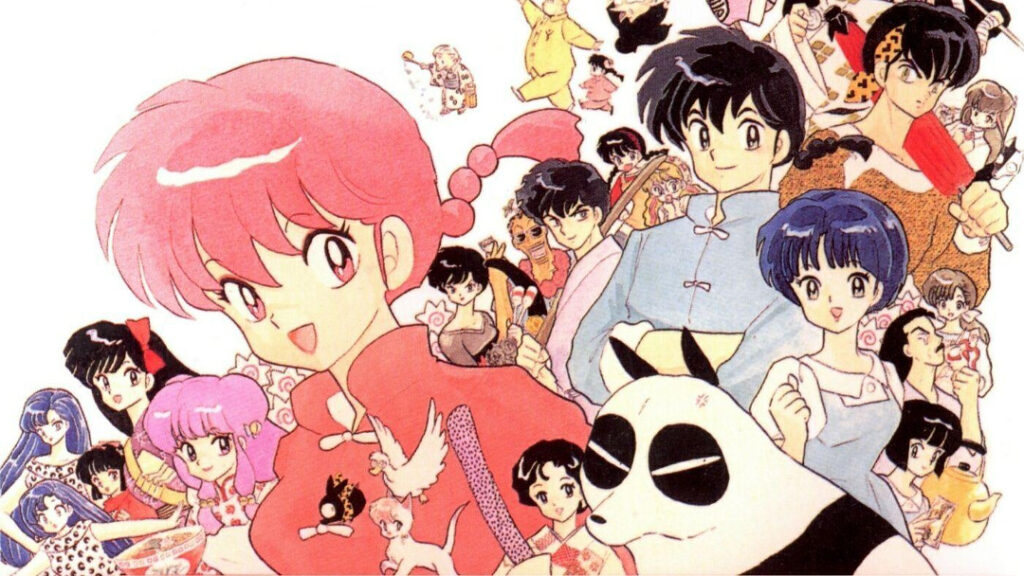
Rumiko Takahashi is known for avoiding definitive endings or dramatic resolutions. In interviews and through narrative patterns across her works (Inuyasha, Maison Ikkoku, Urusei Yatsura), she favors cyclical storytelling — where characters evolve emotionally while remaining true to their core traits.
In Ranma 1/2, this approach is evident in how conflicts repeat with variation. Rivals return, misunderstandings resurface, and romantic tension resets, but characters subtly mature with each arc. Ranma becomes more self-aware, Akane grows emotionally resilient, and even rivals like Ryoga learn to confront their insecurities.
These choices suggest that Takahashi never intended Ranma 1/2 to be “resolved” in a traditional sense — a fact that has major implications for the anime’s future direction.
Character Development Hidden Within the Chaos
While Ranma 1/2 is episodic in structure, long-term character development is quietly embedded throughout the story.
-
Ranma Saotome gradually learns empathy. Early arcs portray him as purely pride-driven, while later chapters show moments of self-sacrifice and emotional honesty — particularly toward Akane.
-
Akane Tendo evolves from reactive anger to emotional clarity. She becomes more confident in expressing trust and vulnerability, even when surrounded by chaos.
-
Ryoga Hibiki transitions from a one-note rival to a deeply layered character defined by loyalty, loneliness, and perseverance.
-
Shampoo and Ukyo represent contrasting paths of love — obsession versus patience — offering commentary on emotional maturity.
This slow-burn development is likely to play a larger role in future anime seasons.
Hints Toward the 2026 Anime: What Might Change
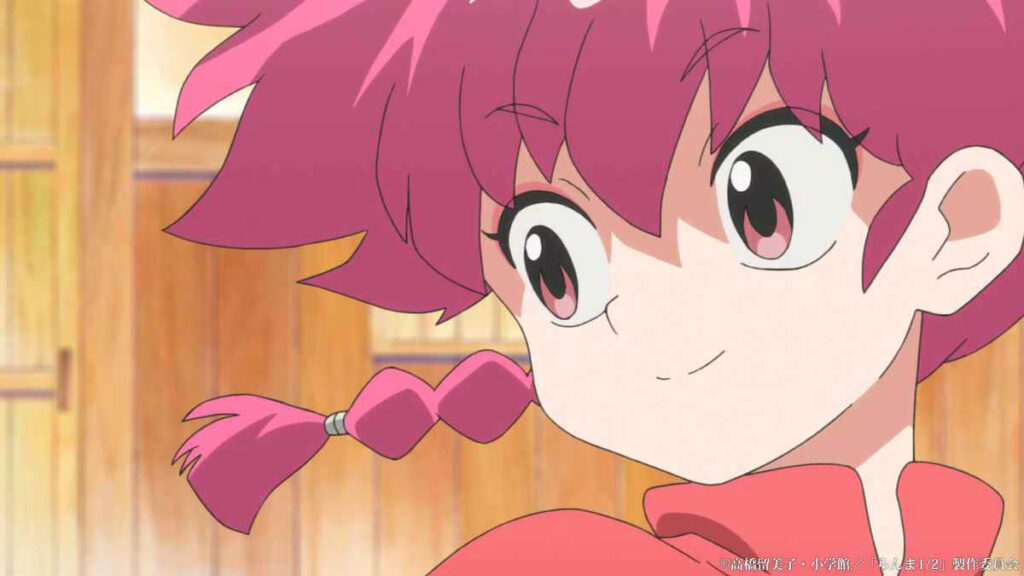
While no official confirmation has been made regarding major story alterations, industry trends and the current adaptation suggest several possibilities for the 2026 anime continuation:
-
Closer Manga Fidelity
The reboot has shown a stronger commitment to adapting manga chapters more accurately than the original 90s anime. This opens the door for underexplored arcs and improved pacing. -
Enhanced Emotional Focus
Modern anime audiences favor deeper emotional storytelling. The 2026 episodes may highlight quieter character moments — particularly Ranma and Akane’s relationship — rather than pure gag-based comedy. -
Clearer Character Arcs
While maintaining Takahashi’s cyclical structure, the anime may subtly emphasize growth milestones, giving viewers a stronger sense of progression without altering the story’s spirit. -
Updated Themes for Modern Viewers
Identity, self-acceptance, and emotional communication are more relevant than ever. The anime could reinterpret these themes with greater nuance while respecting the original material.
Why the Story Still Works
The brilliance of Ranma 1/2 lies in its flexibility. The story doesn’t rely on outdated trends or rigid conclusions. Instead, it thrives on character chemistry, emotional tension, and comedic exaggeration — elements that age remarkably well.
As the anime revival continues into 2026, Ranma 1/2 stands as proof that a story doesn’t need a grand finale to be meaningful. Growth can exist in small gestures, repeated conflicts, and unresolved feelings — just as Rumiko Takahashi intended.
Final Thoughts
Ranma 1/2 is not simply a nostalgic comedy; it is a carefully crafted narrative about identity, love, and emotional growth hidden beneath layers of humor. With new anime content on the horizon in 2026, the series has an opportunity to reintroduce its deeper themes to a modern audience — without losing the charm that made it legendary.
👉 If you are a fan of Ranma 1/2, you can find and purchase merchandise inspired by the series at Official Ranma 1/2 Merchandise:ranma12.store
